
Anemia in CKD Treatment
Anemia in CKD Treatment by Nephrologists (EPO & Iron Therapy) in Pennsylvania
What is Anemia?
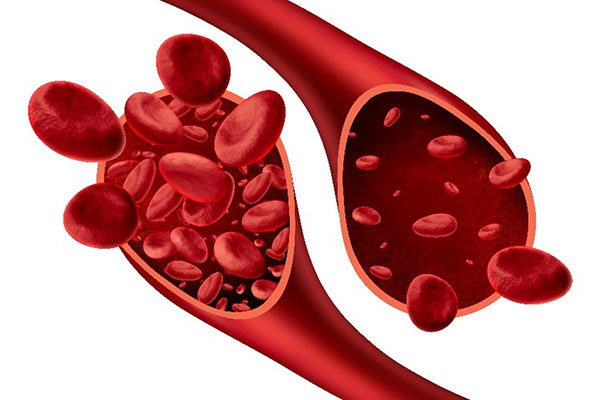
Anemia is a condition where the body doesn’t have enough healthy red blood cells. These cells are essential for carrying oxygen to your tissues, and when they are insufficient, it can lead to symptoms such as fatigue, weakness, and shortness of breath. In the context of Chronic Kidney Disease (CKD), anemia is a particularly common complication that needs to be addressed with care and understanding.

How is Anemia Connected to Chronic Kidney Disease (CKD)?
Anemia and CKD are linked because the kidneys make erythropoietin, a hormone that signals the bone marrow to produce red blood cells. When the kidneys are damaged or impaired due to CKD, they produce less erythropoietin, leading to a reduced production of red blood cells, which in turn causes anemia.

Main Causes of Kidney-Related Anemia
The development of anemia in CKD patients is primarily due to the kidneys’ reduced ability to produce erythropoietin. However, other factors also contribute, including:
- Iron Deficiency: CKD patients may have difficulty absorbing iron or may lose blood during dialysis, leading to iron deficiency.
- Nutritional Deficiencies: Lack of essential nutrients like vitamin B12 and folic acid can exacerbate anemia.
- Chronic Inflammation: Inflammation associated with CKD can suppress red blood cell production.
Complications of Anemia in CKD Patients
Without treatment, anemia in CKD patients can lead to several serious:
- Fatigue and Weakness: These symptoms can severely impact daily life and overall well-being.
- Cardiovascular Problems: Anemia can elevate the risk of heart-related issues, including heart failure.
- Reduced Quality of Life: The overall impact on health can lead to more frequent hospitalizations and a diminished quality of life.
How Common is Anemia Among CKD Patients?
Anemia is a common condition associated with CKD, particularly as the disease advances. Many people with CKD, especially in later stages (3-5), develop anemia as kidney function deteriorates.

Who is More Likely to Have Anemia from CKD?
Certain populations are at higher risk of developing anemia when they have CKD.These include:
- Patients with advanced stages of CKD (stages 3-5).
- Individuals with underlying conditions such as diabetes
- Those undergoing dialysis or other intensive kidney treatments.

How Clinical Renal Associates Treat Anemia from Chronic Kidney Disease
Treatment for anemia in CKD is multifaceted and tailored to the individual’s needs. Common treatments include:
- Erythropoiesis-Stimulating Agents (ESAs): These medications help stimulate red blood cell production.
- Iron Supplements: Either oral or intravenous, depending on the severity of the deficiency.
- Blood Transfusions: Used in severe cases where immediate correction is necessary.
- Adjusting Dialysis: For patients on dialysis, adjustments may be made to reduce blood loss.
The Role of Diet and Nutrition in Managing Anemia and CKD
Diet plays a crucial role in managing both CKD and anemia. Proper nutrition can help maintain red blood cell levels and overall health:
- Iron-Rich Foods: Such as lean meats, beans, and leafy greens, are essential.
- Balancing Nutrients: Patients should work with their healthcare providers to balance phosphorus, potassium, and other nutrients to protect kidney function.
What Are the Symptoms of Anemia in CKD?
Symptoms of anemia in CKD can vary, but they often include:
- Persistent tiredness and lack of energy.
- Pale or sallow skin.
- Shortness of breath, particularly during physical activities.
- Dizziness or light-headedness.
- Cold hands and feet.

Can Anemia in CKD Be Prevented?
Preventing anemia in CKD involves regular monitoring and early intervention. Strategies include:
- Routine Blood Tests: To monitor hemoglobin levels and kidney function.
- Nutritional Management: Ensuring a diet rich in iron, B vitamins, and folic acid.
- Prompt Treatment: Addressing any signs of anemia early with appropriate treatment.
How Do Healthcare Professionals Diagnose Anemia in CKD?
Diagnosing anemia in CKD typically involves:
- Blood Tests: To measure hemoglobin levels, which indicate the severity of anemia.
- Kidney Function Tests: Such as eGFR, to assess the extent of kidney damage.
- Iron Studies: To check for iron deficiency, which is a common issue in CKD patients.
CKD Specialists in Pennsylvania To Support You
At Clinical Renal Associates, we recognize the challenges that come with managing both chronic kidney disease and anemia. Our team is committed to providing compassionate, personalized care that prioritizes your comfort and well-being. If you have any concerns or symptoms, know that we’re here to guide you through every step of your treatment journey. Your health and peace of mind are our foremost priorities. Request an appointment with our top-rated providers today and take the first step toward better health.
FAQs About Anemia in CKD
How does anemia in CKD affect daily life?
Anemia can make everyday activities feel more exhausting, even simple tasks like walking, climbing stairs, or concentrating. Many patients notice reduced stamina, difficulty sleeping, or a general feeling of sluggishness. Managing anemia can help restore energy levels and improve overall quality of life.
How long does treatment for anemia in CKD take to work?
Response time varies depending on the treatment and the individual. Some patients begin to feel improvement within a few weeks of iron therapy or ESA treatment, while others may take longer. Your nephrology team will monitor your progress and adjust therapy as needed.
Will I need lifelong treatment for anemia?
Many patients with CKD require ongoing anemia management, especially if kidney function continues to decline. Treatment may change over time based on lab results, symptoms, and overall health, but regular monitoring helps ensure the most appropriate care.
Can anemia treatment affect my blood pressure?
In some cases, medications used to treat anemia can influence blood pressure. Your care team will carefully balance treatment to support both red blood cell levels and cardiovascular health.
Is anemia treatment safe?
When managed by a nephrology specialist, anemia treatment is generally safe and well tolerated. Your care team will tailor therapy to minimize risks while maximizing benefits.
Can anemia return after treatment?
Yes. Because CKD is a chronic condition, anemia can recur, which is why ongoing monitoring and proactive management are essential.
How does Clinical Renal Associates support patients with anemia?
Our team provides individualized care, regular follow-ups, and close coordination with your primary care provider to ensure comprehensive, consistent treatment that prioritizes both kidney health and overall well-being.