
Hypertension
Hypertension Treatment Specialists in Pennsylvania
Hypertension, also known as high blood pressure, occurs when the force of blood against the walls of your arteries remains too high over time. Without proper management, high blood pressure can increase your risk of heart disease, stroke, and kidney damage.
At Clinical Renal Associates, our nephrologists in Pennsylvania diagnose and manage hypertension, including high blood pressure related to kidney disease. We work with patients to develop individualized treatment plans designed to control blood pressure and protect long-term kidney and cardiovascular health.
What Are the Symptoms of Hypertension?
High blood pressure often causes no noticeable symptoms. This is why regular blood pressure checks are important, especially if you have risk factors for hypertension.
When blood pressure becomes severely elevated, some people may experience symptoms such as:
- Headaches
- Shortness of breath
- Dizziness
- Blurred vision
- Nosebleeds
- Chest pain
Because symptoms alone cannot tell you whether you have hypertension, measuring your blood pressure is the best way to identify elevated readings.

How Do I Know If I Have High Blood Pressure?
Your healthcare provider can determine whether you have hypertension by measuring your blood pressure and reviewing readings over time. Your provider may also discuss your medical history, medications, family history, and other risk factors.
If your readings are elevated or inconsistent, your doctor may recommend monitoring your blood pressure at home.

What Causes High Blood Pressure?
Hypertension can develop for several reasons. Common factors that may contribute to high blood pressure include:
- Family history of hypertension
- Age
- Kidney disease
- Diabetes
- High cholesterol
- Excess weight
- A diet high in sodium
- Physical inactivity
- Smoking
- Excessive alcohol consumption
Some people develop primary hypertension, which generally develops gradually over time. Secondary hypertension occurs because of another medical condition, such as kidney disease or certain hormonal disorders.
Because the kidneys play an important role in regulating blood pressure, evaluating kidney function may be an important part of determining the cause of difficult-to-control hypertension.
What Is Considered High Blood Pressure?
Hypertension can be caused by various factors, including:
Blood pressure readings contain two numbers:
Systolic blood pressure is the top number and measures pressure in your arteries when your heart contracts.
Diastolic blood pressure is the bottom number and measures pressure when your heart rests between beats.
Blood pressure ranges include:
- Stage 1 hypertension: 130–139 systolic or 80–89 diastolic mmHg
- Stage 2 hypertension: 140 systolic or higher or 90 diastolic or higher
- Hypertensive crisis: 180/120 mmHg or higher
A single elevated reading does not necessarily mean you have hypertension. Your healthcare provider can evaluate your readings and determine whether additional monitoring or treatment is appropriate.
How High Blood Pressure and Kidney Disease are Connected
Your kidneys and blood pressure are closely connected. High blood pressure can damage blood vessels in the kidneys over time, making it harder for them to properly filter blood. At the same time, kidney disease can contribute to high blood pressure.
This relationship makes blood pressure management especially important for people with chronic kidney disease.
Our nephrologists evaluate your kidney health alongside your blood pressure to develop a treatment plan that addresses your overall health.

How Is Hypertension Treated?
Hypertension treatment depends on your blood pressure levels, overall health, kidney function, and other medical conditions.
Your treatment plan may include:
Medication: Your healthcare provider may prescribe one or more medications to help lower and control your blood pressure.
Healthy lifestyle changes: With your doctor’s approval, changes to your everyday habits may support healthier blood pressure. These may include eating a balanced diet, reducing sodium, staying physically active, maintaining a healthy weight, limiting alcohol, getting adequate sleep, managing stress, and avoiding tobacco.
Regular monitoring: Checking your blood pressure regularly allows you and your healthcare team to identify trends and determine how well your treatment plan is working.
Always discuss significant dietary, exercise, or lifestyle changes with your healthcare provider, particularly if you have kidney disease, heart disease, diabetes, or another chronic condition.
Can Healthy Lifestyle Changes Help Lower Blood Pressure?
Healthy habits can be an important part of hypertension management. Your healthcare provider may recommend changes such as:
- Following a heart- and kidney-conscious eating plan
- Reducing sodium as directed by your physician
- Getting regular physical activity appropriate for your health
- Reaching or maintaining a healthy weight
- Limiting alcohol
- Avoiding smoking and tobacco
- Getting adequate sleep
- Finding healthy ways to manage stress
Not every recommendation is appropriate for every patient. For example, dietary needs can differ for people with chronic kidney disease. Talk with your physician before making major changes to your diet, fluid intake, or exercise routine.
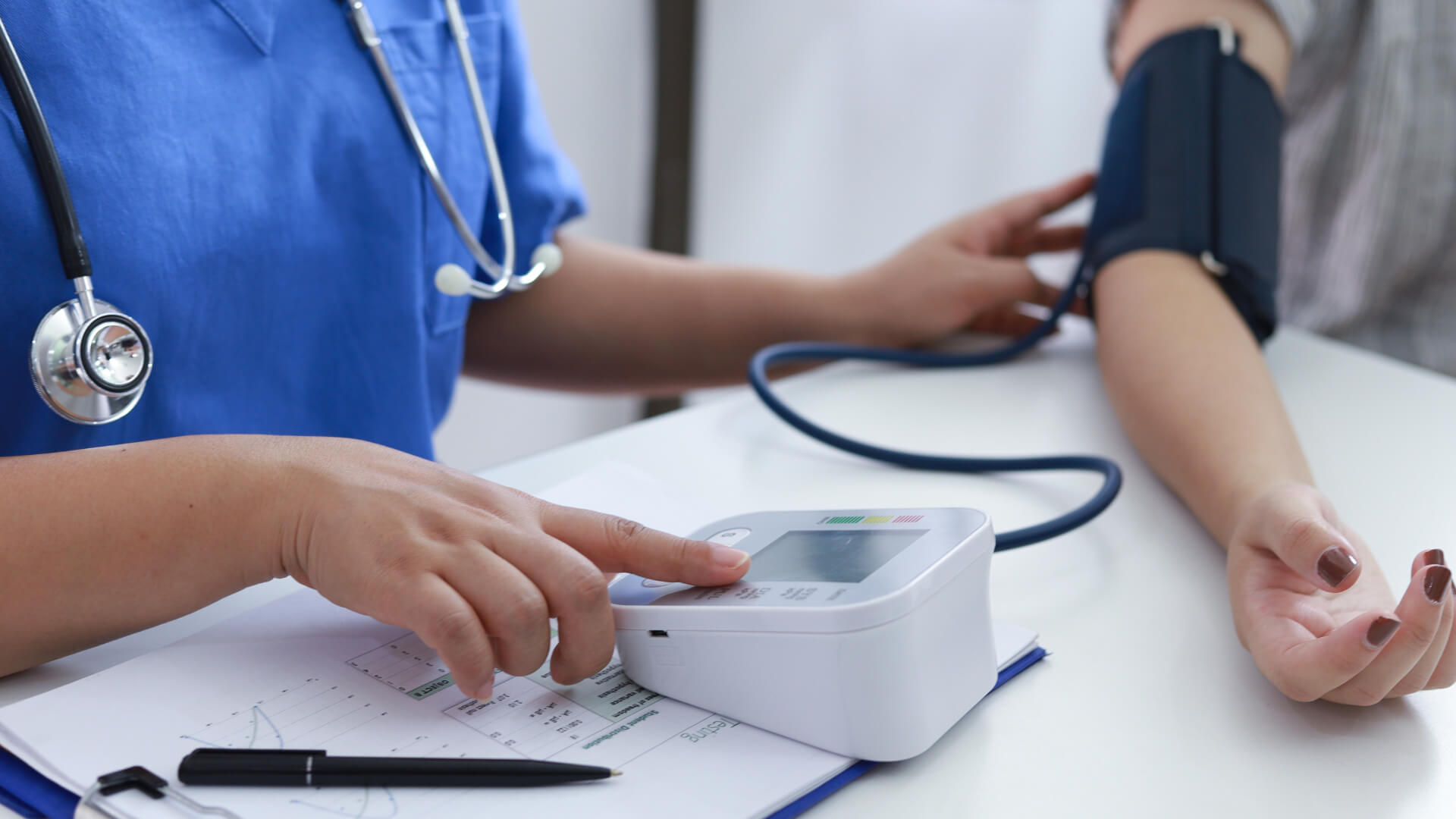
Should I Check My Blood Pressure at Home?
Home blood pressure monitoring can help you and your healthcare provider understand how your blood pressure changes between appointments.
Your physician can tell you how often to check your blood pressure and what readings should prompt a call to the office. Using a clinically validated blood pressure monitor and following proper measurement techniques can also improve the accuracy of your readings.
When Should I See a Hypertension Specialist for High Blood Pressure?
Talk with a healthcare provider if your blood pressure readings are consistently elevated or if you have risk factors such as kidney disease, diabetes, obesity, smoking, or a family history of hypertension.
You may also benefit from seeing a nephrologist when hypertension is difficult to control, requires multiple medications, or may be associated with kidney disease.
When Is High Blood Pressure an Emergency?
A blood pressure reading of 180/120 mmHg or higher can require immediate medical attention, particularly when accompanied by symptoms such as chest pain, shortness of breath, sudden vision changes, weakness, confusion, or other concerning symptoms.
Seek emergency medical care if you experience signs of a medical emergency.
Frequently Asked Questions About Hypertension Treatment
Can kidney disease cause high blood pressure?
Yes. The kidneys help regulate fluid levels and blood pressure. When kidney function is impaired, blood pressure can become more difficult to control. Hypertension can also damage the kidneys, creating a cycle that affects both blood pressure and kidney health.
Can high blood pressure damage my kidneys?
Over time, uncontrolled hypertension can damage the blood vessels that supply the kidneys. This may reduce the kidneys’ ability to filter waste and excess fluid effectively. Managing high blood pressure is an important part of protecting kidney function.
Is hypertension a lifelong condition?
Hypertension is often a long-term condition, but it can usually be managed with appropriate medical care. Treatment may include medication, regular monitoring, and healthy lifestyle changes approved by your healthcare provider.
What lifestyle changes can help manage high blood pressure?
Depending on your health, your doctor may recommend reducing sodium, eating a balanced diet, exercising regularly, maintaining a healthy weight, limiting alcohol, avoiding tobacco, getting enough sleep, and managing stress. Ask your healthcare provider which changes are appropriate for you.
Why would I see a nephrologist for hypertension?
A nephrologist specializes in kidney health and conditions that affect kidney function. Because the kidneys play an important role in blood pressure regulation, nephrology care may be recommended for patients with kidney disease, resistant hypertension, or blood pressure that is difficult to control.
How often should I check my blood pressure?
The appropriate frequency depends on your health and treatment plan. Your healthcare provider can recommend how often to take readings at home and explain when a reading should prompt medical attention.
Hypertension Care at Clinical Renal Associates
Managing high blood pressure is an important step toward protecting your kidneys, heart, and overall health. At Clinical Renal Associates, our team provides personalized hypertension and kidney care for patients throughout Pennsylvania.
If you’re concerned about high blood pressure, kidney disease, or hypertension that has been difficult to control, schedule an appointment with our team to discuss your next steps.
Book an Appointment With a Nephrologist in Pennsylvania
Take a proactive approach to your blood pressure and kidney health. Request an appointment with Clinical Renal Associates today.