
Dialysis
Dialysis Doctors in Pennsylvania
What is Dialysis?
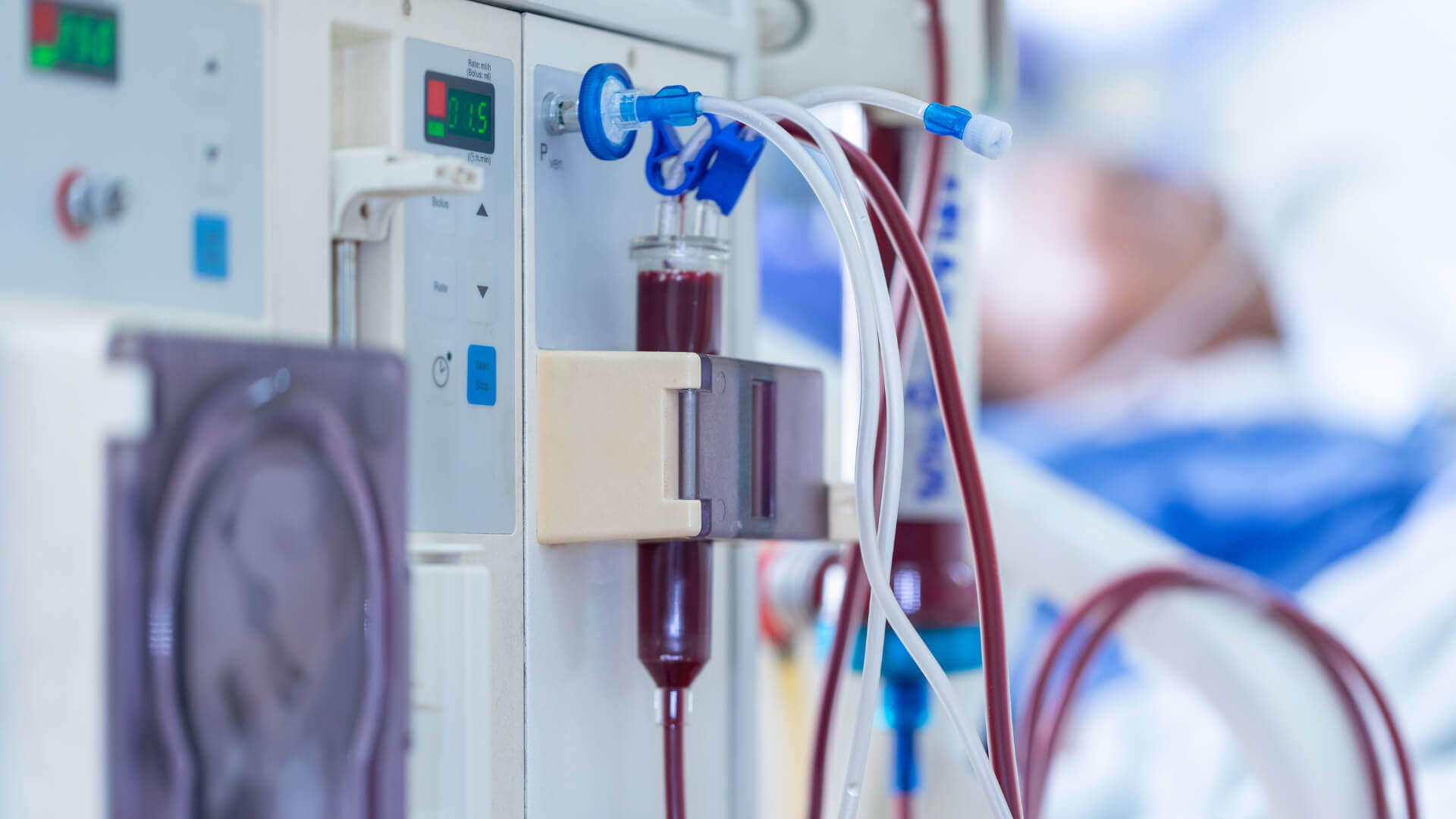
Dialysis is a treatment that helps your body when your kidneys can no longer do their job. It removes waste and extra fluids from your blood, preventing toxins from building up. This keeps your body’s chemical balance in check and can be life saving for those with kidney failure.
Who Needs Dialysis?
- Chronic Kidney Disease (CKD): If you have advanced CKD, your kidneys may lose most of their function, making dialysis necessary. Diabetes and hypertension are the most common conditions that lead to CKD requiring dialysis.
- Acute Kidney Injury (AKI): Sudden kidney failure due to injury or illness may require temporary dialysis.

When is Dialysis Required?
- Severe Symptoms of Kidney Failure: Persistent nausea, fatigue, and fluid retention causing swelling or shortness of breath may indicate the need for dialysis.
- High Levels of Waste Products or Chemicals in Blood: Blood tests showing high levels of waste products like urea and creatinine signal the need for dialysis as would a build-up of potassium or acid.
- Other Treatment Options are Exhausted: When medications and other treatments don’t manage your kidney failure effectively, dialysis is necessary.
Who Needs Dialysis?
- In-Center Hemodialysis: Done at a dialysis center where professionals manage your treatment, typically three times a week.
- Home Hemodialysis: This is done by you or a caregiver at home, giving you more flexibility and the chance for more frequent treatments that can lead to your improved health.
- Peritoneal Dialysis: Uses the lining of your abdomen to filter blood, which can be done at home and even during sleep. Peritoneal dialysis is easy to learn, gentler on your body than hemodialysis, provides more constant symptom improvement and provides much more freedom in your schedule which many patients find leads to a more enjoyable lifestyle.
What are the Possible Side Effects of Dialysis?
- Fatigue: Feeling tired after a hemodialysis sessions is common. This can last for less than 1 hour but in many patients can last for many hours or the rest of the day. Avoiding fatigue after hemodialysis is a benefit of choosing peritoneal dialysis
- Infection Risk: There is a risk of infection at the access site where hemodialysis needles or hemodialysis catheters are inserted that can become more serious by spreading to the bloodstream. Infections in the abdomen from peritoneal dialysis can also happen but spreading to the bloodstream rarely happens.
- Blood Pressure Issues: Dialysis can sometimes cause low blood pressure, leading to dizziness or fainting.

How is Dialysis Effective?
- Waste Removal: Effectively gets rid of waste products and extra fluids from your blood.
- Blood Chemical (Electrolyte): Keeps your body’s electrolytes in the right balance.
- Symptom Management: Reduces symptoms of kidney failure, improving your quality of life.

What are Other Actions Dialysis Patients should do to Help Maintain Their Health?
-
Make sure you get all of your dialysis treatments: The cornerstone of maximizing your health as a dialysis patient is to get all of your dialysis treatments. Dialysis does not provide more treatment than you need so when you miss dialysis you suffer the effects of not getting enough dialysis including having more symptoms, having more chance of hospitalization even if you do not think you have symptoms of missing dialysis and even an increased chance of dying.
-
Diet and Fluid Restrictions: Follow dietary guidelines to control fluid intake and avoid foods high in potassium and phosphorus. Diet restrictions are stricter in hemodialysis than in peritoneal dialysis.
-
Medication Adherence: Take all prescribed medications as directed.
-
Access Site Care: Regularly clean and monitor the access site for signs of infection.
What’s the Process for Scheduling a Dialysis Appointment at CRAL?
- Initial Consultation: Schedule an appointment for an initial assessment with our nephrologist.
- Pre-Dialysis Education: Attend educational sessions to understand the process and what to expect. This includes working with your nephrologist to make a modality choice and get prepared before you ever need dialysis.
- Regular Scheduling: Set up a regular dialysis schedule based on your treatment plan and personal needs. Schedule an appointment with our top-rated providers today and take the first step toward better health and peace of mind.
Dialysis FAQ for Patients in Pennsylvania
What Can I Expect During My First Dialysis Visit at Clinical Renal Associates?
Your first dialysis visit focuses on helping you feel comfortable and informed. Our nephrologist writes the initial dialysis order and is available to answer questions and adjust the treatment. The dialysis nurse explains the treatment plan and walks the patient through each step of dialysis, so they know exactly what to expect. We encourage you to ask questions at any time.
How Do I Know If I Truly Need Dialysis?
CKD patients begin dialysis when their kidneys can no longer clear waste and fluid effectively. If you notice persistent swelling, nausea, shortness of breath, or worsening fatigue, our team evaluates your bloodwork and symptoms to determine the right time to start treatment.
Can I Continue Working or Caring for My Family While on Dialysis?
Yes. Many of our patients continue working, caring for children, and maintaining their normal routines. We help you choose the dialysis option that best fits your lifestyle, including home therapies that offer greater scheduling flexibility.
What Can I Expect From Dialysis with Clinical Renal Associates?
The dialysis centers that treat Clinical Renal Associates’ patients follow strict safety standards and use modern equipment to support your comfort. You will be cared for by experienced providers who monitor your blood pressure, symptoms, and overall well-being throughout each treatment.
How Does Peritoneal Dialysis Benefit Patients?
Peritoneal dialysis is often chosen by patients who prefer more independence, want to avoid travel to the dialysis unit, want easier vacation planning, need better fluid management, especially with a heart disease history, or appreciate a gentler, more continuous treatment. Our team provides full training so you feel confident managing treatment at home.
Will Dialysis Improve My Day-to-Day Health?
Most patients feel bad before starting dialysis, and most of those patients will notice better energy, less swelling, and improved appetite once they have had a few dialysis treatments. However, patients often feel worse after the first few treatments, and it may take 2-3 months until maximal improvement occurs. Staying consistent with your prescribed schedule is the best way to feel as good as possible.
How Does Clinical Renal Associates Help Patients Stay on Track With Treatment?
We work closely with you to build a dialysis plan that fits your life. Our team helps you choose a schedule that works best for you, provides education on diet and medications, and offers ongoing support to reduce complications and help you feel your best.
Who Can I Contact If I Have Concerns Between Appointments?
Your team in the dialysis unit is your best resource for assistance and can usually help you more than the office staff once you are on dialysis. Of course, our doctors are always available if you have a situation that requires medical assistance. We are here to reassure you, answer questions, and guide you through any changes you experience.