
Kidney Function Test
Kidney Function Test (Creatinine & eGFR) Specialists in Pennsylvania
Routine kidney function tests are crucial for evaluating renal health. They assess how well your kidneys filter waste, focusing on creatinine levels and the estimated glomerular filtration rate (eGFR). Monitoring these indicators helps detect potential issues early and guide your care decisions.
Actionable Care for Kidney Function
Your eGFR provides a vital snapshot of your kidney function, calculated using factors like your age, gender, and creatinine levels. This number helps us determine the stage of any chronic kidney disease, interpret results with you, manage underlying conditions, and empower you to take control of your health.
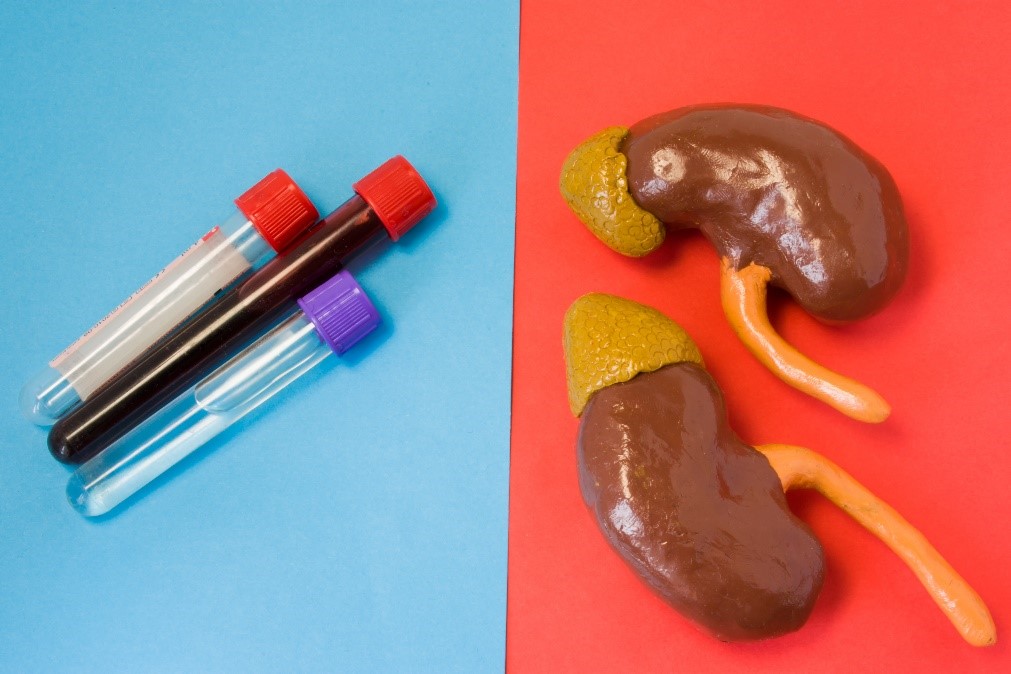

Book Your Appointment for a Comprehensive Kidney Check
Whether you are seeking an initial evaluation or ongoing management, our team is dedicated to providing you with the clarity and support you need. We’re here to help you navigate your kidney health with confidence and care.
When to See a Doctor for Kidney Function Tests
It is essential to schedule kidney function testing if you have risk factors such as diabetes, high blood pressure, or a family history of kidney disease. Our board-certified nephrologists at Clinical Renal Associates provide expert evaluation of creatinine and eGFR in Pennsylvania, enabling patients to detect issues early and protect their long-term kidney health.
Kidney Function Test FAQ for Patients in Pennsylvania
Why Are Kidney Function Tests Important for My Overall Health?
Creatinine and eGFR testing give your care team a clear picture of how well your kidneys are filtering waste. Your nephrologist will also frequently order urine tests. We know that getting urine tests is a nuisance. The way kidney doctors think of these tests is that the creatinine and eGFR testing tells your doctor where your kidneys are now. The urine tests tell your nephrologist your prognosis and how well your medications are protecting your kidneys. Both are needed to see the whole picture. These results help identify early concerns before symptoms appear, allowing you to make informed decisions that support long-term wellness.
What Symptoms Should Prompt Me to Request a Kidney Function Test?
You should schedule a kidney function test if you notice symptoms such as ongoing fatigue, swelling in the legs or face, foamy urine, or changes in urination. Even mild shifts can signal an issue, and our Pennsylvania nephrologists can evaluate your results quickly.
How Often Should I Have My Kidney Function Checked?
The frequency of kidney testing depends on your personal health history. People with diabetes, high blood pressure, or a family history of kidney conditions may need kidney function testing several times a year. Our team will recommend a schedule based on your unique needs. People without known kidney disease but with risk factors such as diabetes, high blood pressure, or a family history of kidney conditions should have their kidney function checked yearly. Frequency of testing in people with known kidney disease based on lower GFR, higher creatinine, or increased protein in the urine may need kidney function testing two or more times a year. The frequency depends on your level of kidney function, level of urine protein, and personal history of blood chemical disorders. Our team will recommend a schedule for patients with kidney disease based on your unique needs.
What Do My Creatinine and eGFR Numbers Actually Mean?
Creatinine reflects how much waste your kidneys are clearing, while eGFR estimates how well they are functioning overall. Higher creatinine or lower eGFR may indicate reduced kidney performance, and we will walk through each number with you step by step.
Can Kidney Function Tests Help Me Prevent Kidney Disease Progression?
Yes. Detecting changes in kidney function early allows you to adjust lifestyle habits, medications, or treatment plans before complications develop. Regular testing supports better long-term outcomes.
Do I Need Special Preparation Before a Kidney Function Test?
In most cases, no fasting or special steps are required before a kidney function test. If your kidney doctor needs additional labs during the same visit, they will let you know ahead of time if that lab visit requires fasting or special steps.
What Happens After I Receive My Test Results?
After your kidney function test at one of our locations in Pennsylvania, your nephrologist reviews your creatinine and eGFR values with you, explains what they mean in the context of your health, and discusses next steps. This may include lifestyle guidance, medication adjustments, or additional monitoring.
How Does Clinical Renal Associates Support Patients With Early Kidney Changes?
We provide education, follow-up testing, and personalized care plans to help you stay ahead of potential kidney issues. Our goal is to give you clarity and ongoing support so you feel confident managing your health.