
Kidney Stones
Kidney Stone Specialist in Pennsylvania (Nephrolithiasis Doctors)
Kidney stones, or nephrolithiasis, are hard, crystalline mineral deposits that form inside the kidneys. The expert staff at Clinical Renal Associates is ready to guide you through the diagnosis and treatment of kidney stones. Our team of board-certified specialists offers a compassionate and streamlined approach to your care.
Recognizing Kidney Stone Symptoms
Patients commonly experience sharp, severe pain in the side and back, just below the rib cage, sometimes radiating to the lower abdomen and groin. Other symptoms of kidney stones include an increased urge to urinate, cloudy or foul-smelling urine, and burning or painful urination.
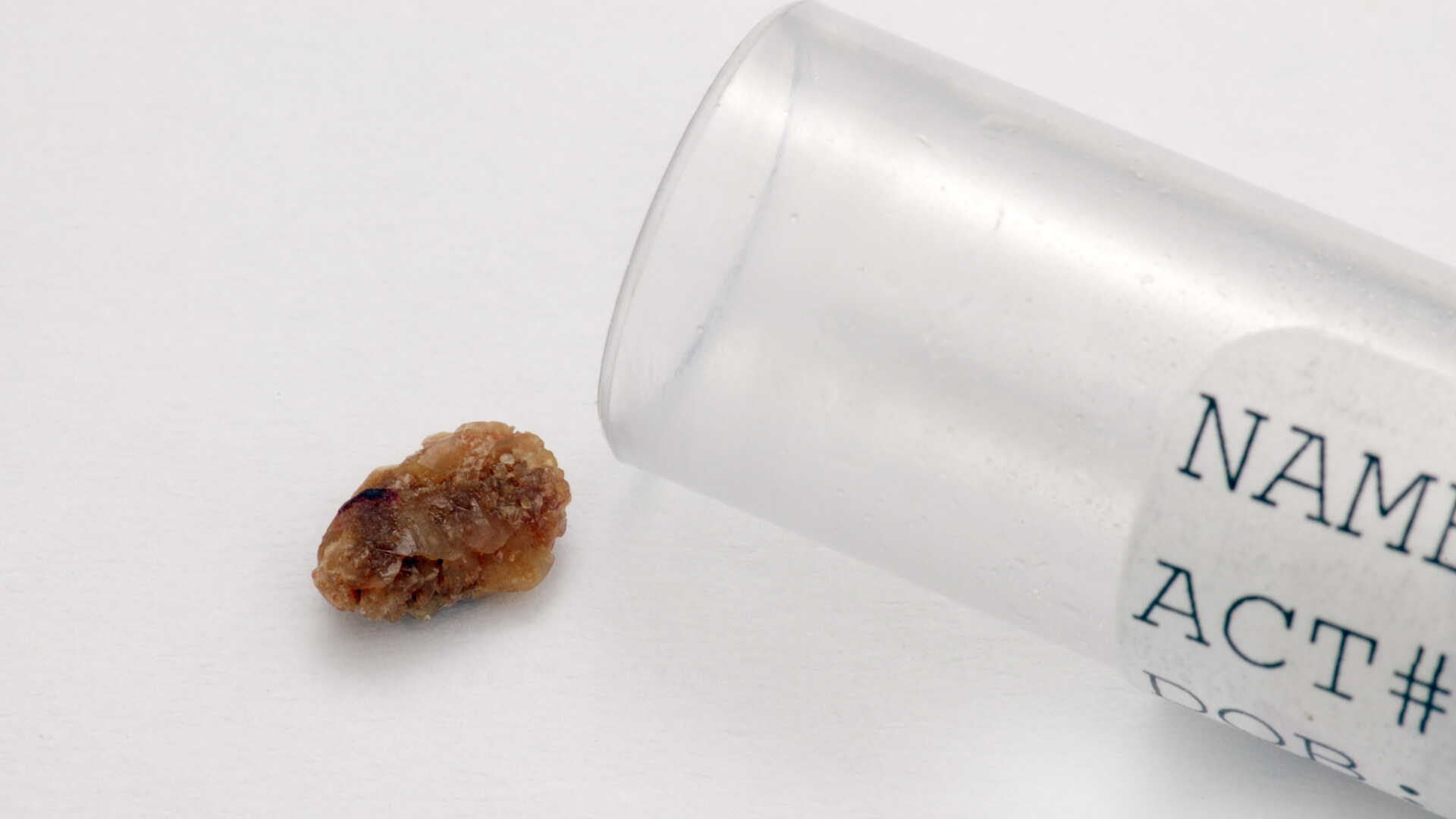

Preventing Future Kidney Stones
Kidney stone disease is often a recurring problem. Patients who have a history of developing kidney stones twice, or even a single kidney stone that required intervention for removal typically need a thorough metabolic evaluation to determine the specific cause of their kidney disease. Based on the results, your nephrologist may recommend dietary changes or medication therapy to decrease the frequency of kidney stone development. While no treatment can completely prevent stones from forming, these interventions can be very effective in lowering the risk.
Effective, Personal Kidney Stone Treatment
For smaller stones, your physician may recommend increased fluid intake to help them pass naturally. Pain medication can be prescribed to manage discomfort. For larger or obstructing stones, medical procedures such as shockwave lithotripsy or other surgical interventions may be necessary to break up or remove the larger deposits. Consult with the expert staff at Clinical Renal Associates to discuss the best treatment options for you.
Kidney Stone FAQs
What causes kidney stones, and who is most at risk?
Kidney stones form when certain minerals and chemicals in the urine become too concentrated, creating crystals that harden into stones. The most common types include calcium oxalate, uric acid, struvite, and cystine stones. While anyone can develop a kidney stone, certain factors significantly increase your risk.
Dehydration is the most common cause. When you don’t drink enough water, your urine becomes more concentrated, allowing crystals to form more easily. Genetics matter as well: if a parent or sibling has had kidney stones, your chances of developing them are higher. The amount and concentration of various chemicals in the urine have a big influence on future kidney stones. The chemicals are measured by collecting all of the urine you make in 24 hours. The chemicals include: sodium, calcium, uric acid, citrate, oxalate, and the pH of the urine (the amount of acid)
Other risk factors include chronic medical conditions such as diabetes, gout, digestive disorders, obesity, and recurrent urinary tract infections. Some medications can also increase the risk of stones.
Men tend to develop kidney stones slightly more often than women, but women are still significantly affected, especially after age 40. People who sweat heavily, work outdoors, or live in hot climates may also be more prone to stones due to fluid loss.
At Clinical Renal Associates, we work closely with each patient to identify individual risk factors through lab testing, imaging, and metabolic evaluation.
What is the role of the Urologist (Kidney surgeon) managing kidney stones?
The urologist manages your current kidney stone. This might be waiting for it to pass, or might be a procedure to remove the stone.
What is the role of the nephrologist (kidney medical doctor) when managing kidney stones?
If you have a history of making kidney stones, the Nephrologist helps you prevent future kidney stones. The Nephrologist determines why you are making kidney stones and provides an individualized treatment strategy. This may include lifestyle, diet, or medication changes.
What are the best treatment options for kidney stones, and how do I know which one is right for me?
Kidney stone treatment depends on the stone’s size, location, and type, as well as your level of discomfort.
When stones are too large, painful, or stuck, minimally invasive procedures may be needed. Shock wave lithotripsy uses focused sound waves to break stones into smaller fragments, making them easier to pass.
For very large or complex stones—especially those in the kidney rather than the ureter—percutaneous nephrolithotomy may be recommended.
How can I prevent kidney stones from coming back?
Preventing kidney stones is one of the most important aspects of long-term kidney health, especially because many people who experience one stone have a higher risk of developing another.
Reducing sodium intake lowers calcium in the urine, which decreases the likelihood of calcium-based stones. For people prone to calcium oxalate stones, moderating intake of oxalate-rich foods is recommended. Drinking plenty of fluid helps regardless of the type of kidney stone. Based on the results of your 24-hour urine collection that your Nephrologist evaluates, you will get dietary and medication treatment that is right for you.
At Clinical Renal Associates, we create personalized prevention plans to reduce your risk of future kidney stones significantly. With the proper guidance, many patients can prevent stones entirely or dramatically decrease their recurrence.