
Simple Renal Cyst
Simple Renal Cyst Diagnosis and Kidney Care in Pennsylvania
What Is a Simple Kidney Cyst?
A simple renal cyst is a common, fluid-filled sac that develops in or on the kidneys. These cysts are typically benign (noncancerous), rarely cause symptoms, and often do not require treatment. Simple kidney cysts become more common with age and are frequently discovered during imaging tests performed for unrelated medical concerns.
At Clinical Renal Associates, our board-certified nephrologists provide personalized evaluations to help patients understand their diagnosis and determine whether additional monitoring is necessary. Our goal is to provide clear answers, appropriate medical guidance, and reassurance while supporting long-term kidney health.
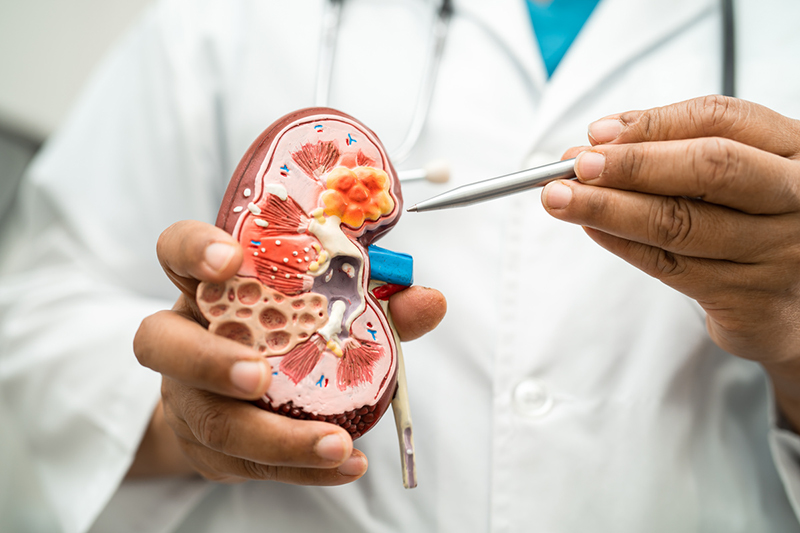
Is a Kidney Cyst Dangerous?
Most simple renal cysts are harmless and do not interfere with normal kidney function. However, it is important to distinguish simple cysts from complex kidney cysts or other kidney conditions that may require further evaluation.
Although simple kidney cysts rarely cause symptoms, larger cysts or those that develop complications may cause:
- Pain or discomfort in the back, side, or upper abdomen
- Blood in the urine
- Fever or chills if a cyst becomes infected
- Changes in urination if a cyst obstructs urine flow
- Discomfort caused by pressure on surrounding tissues
If you experience these symptoms, a medical evaluation can help determine whether a kidney cyst or another condition is responsible.
Simple renal cysts are different from polycystic kidney disease, an inherited disorder that causes numerous kidney cysts and can affect kidney function over time.

How Are Simple Renal Cysts Diagnosed?
Simple renal cysts are commonly identified through imaging tests such as ultrasounds, CT scans, or MRIs. These tests allow healthcare providers to evaluate the cyst’s size, shape, and characteristics.
A simple cyst typically has thin, smooth walls and contains fluid without solid components. Cysts with more complex features may require additional imaging or evaluation.
In some cases, a nephrologist may also recommend kidney function testing to assess how well the kidneys are working, particularly when patients have other kidney-related health concerns.
How We Manage a Simple Renal Cyst
At Clinical Renal Associates, our nephrologists develop individualized care recommendations based on each patient’s imaging results, symptoms, and overall kidney health.
For most patients, a confirmed simple renal cyst does not require treatment or routine follow-up imaging. However, additional evaluation or monitoring may be appropriate if the cyst causes symptoms, has unusual characteristics, or raises concerns about kidney function.
When a cyst becomes symptomatic or causes complications, treatment options may include drainage or surgical intervention performed by an appropriate specialist.
Our team helps patients understand their diagnosis and determine whether additional medical care is necessary.
Frequently Asked Questions About Simple Renal Cysts
What causes simple kidney cysts?
The exact cause of simple renal cysts is unknown. They become increasingly common with age and may develop when small structures within the kidneys change over time. Most simple kidney cysts are not inherited and do not indicate an underlying kidney disease.
Can a simple renal cyst turn into cancer?
A properly classified simple renal cyst is considered benign and is not expected to become cancerous. However, complex kidney cysts may contain features that require additional evaluation. Imaging helps physicians distinguish between simple cysts and potentially concerning kidney abnormalities.
Do simple kidney cysts require treatment?
Most simple renal cysts do not require treatment, especially when they cause no symptoms and do not affect kidney function. If a cyst becomes painful, infected, or interferes with urine flow, your physician may recommend further evaluation and appropriate treatment.
Can kidney cysts affect kidney function?
Simple kidney cysts generally do not affect kidney function. However, unusually large cysts or complications involving urinary obstruction may create additional concerns. Your nephrologist may recommend kidney function tests to evaluate your overall kidney health.
When should I see a kidney specialist for a renal cyst?
Consider consulting a nephrologist if imaging reveals a kidney cyst with uncertain characteristics, you experience persistent back or side pain, or you have concerns about kidney function. A specialist can review your medical history and determine whether additional testing or monitoring is appropriate.
Simple Renal Cyst Evaluation in Pennsylvania
If you’ve recently been diagnosed with a kidney cyst or have concerns about your kidney health, Clinical Renal Associates can help you better understand your condition.
Our experienced nephrologists provide individualized kidney care throughout Chester, Delaware, and Philadelphia Counties in Pennsylvania. Whether you need an initial evaluation or guidance regarding an existing diagnosis, our team is committed to providing compassionate, coordinated care.
Explore our nephrology locations in Pennsylvania or contact Clinical Renal Associates to learn more about scheduling an appointment.
Schedule an appointment with a Clinical Renal Associates nephrologist to discuss simple renal cysts and your kidney health.